https://club.hcqc.co.uk/c/self-audits/edit-lesson/sections/426166/lessons/1596171
Safeguarding is a fundamental responsibility for all healthcare providers, particularly in general practice, where patients of all ages and vulnerabilities seek care. From identifying signs of abuse to protecting at-risk individuals, safeguarding policies and procedures ensure that patients and staff are kept safe from harm.
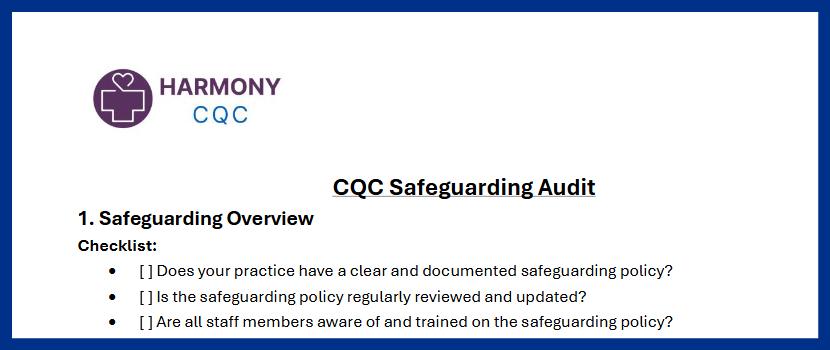
The Safeguarding Audit is designed to help practices assess their safeguarding processes, identify gaps, and ensure compliance with regulatory standards, including those set by the Care Quality Commission (CQC).
Why Safeguarding is Critical in General Practice
1. Protecting Vulnerable Patients
General practice is often the first point of contact for patients experiencing abuse, neglect, or exploitation. Many safeguarding concerns are not immediately obvious, which makes robust processes and staff training essential for early detection.
Common safeguarding risks in primary care:
- Children at risk of neglect or abuse.
- Elderly or disabled patients vulnerable to financial, physical, or emotional abuse.
- Domestic abuse cases that may go unnoticed without proper screening.
- Mental health concerns, including self-harm or coercion.
Early intervention can save lives. Practices must have clear reporting pathways and ensure that staff are confident in identifying and escalating concerns appropriately.
2. Meeting CQC and Legal Requirements
The CQC places a strong emphasis on safeguarding under the safe, effective, and well-led domains. Practices must demonstrate that they:
✅ Have clear safeguarding policies in place, aligned with national and local guidelines.
✅ Ensure all staff are trained to the appropriate safeguarding level (Children and Adults Level 1-3).
✅ Maintain accurate records of safeguarding cases and follow correct referral processes.
✅ Undertake proactive safeguarding risk assessments for vulnerable patients.
Failing to meet safeguarding responsibilities can lead to:
❌ CQC enforcement actions (including warning notices).
❌ Serious incidents or patient harm due to missed warning signs.
❌ Legal consequences for failing to escalate concerns appropriately.
By conducting the Safeguarding Audit, practices can ensure they are fully compliant with safeguarding regulations and provide evidence of good practice during CQC inspections.
3. Creating a Culture of Safety and Awareness
Effective safeguarding requires more than policies, it requires a strong safeguarding culture. Everyone in the practice, from GPs and nurses to receptionists and administrators, must understand their role in protecting patients.
Key aspects of a safeguarding culture:
- Encouraging open conversations with patients about safety and wellbeing.
- Training staff to recognise and report concerns sensitively and effectively.
- Ensuring safeguarding is a shared responsibility across the team.
- Using regular case reviews to improve safeguarding practices.
When staff feel confident and supported in handling safeguarding concerns, they are more likely to take action when needed.
Practical Steps to Strengthen Safeguarding in Your Practice
1. Ensure Policies are Clear and Up to Date
Regularly review and update safeguarding policies to align with best practices.
Make policies easily accessible to all staff.
2. Train and Empower Staff
Ensure all team members are trained to the correct safeguarding level.
Provide ongoing learning opportunities (e.g., case discussions, real-world scenarios).
Appoint a Safeguarding Lead who can offer guidance and oversight.
3. Improve Case Documentation and Follow-Up
Maintain comprehensive safeguarding records for at-risk patients.
Establish a tracking system for safeguarding cases to monitor progress.
4. Strengthen Multi-Agency Collaboration
Build strong links with local safeguarding boards, social care teams, and schools.
Encourage participation in multi-agency safeguarding meetings when required.
5. Encourage a Safeguarding Culture
Make safeguarding a routine part of clinical discussions.
Ensure non-clinical staff understand their role in identifying concerns.
Promote a “speak-up” culture, where staff feel safe reporting concerns.
Final Thoughts: Safeguarding is Everyone’s Responsibility
Safeguarding is not just about compliance, it is about protecting lives, ensuring dignity, and providing a safe environment for all patients.
By conducting the Safeguarding Audit, practices can:
✅ Ensure legal and regulatory compliance.
✅ Strengthen safeguarding processes and reporting structures.
✅ Protect vulnerable patients from harm.
✅ Embed a culture of safety and vigilance across the practice.
Next Step: Complete the Safeguarding Audit to assess your practice’s safeguarding readiness and take proactive steps toward improving patient protection.