
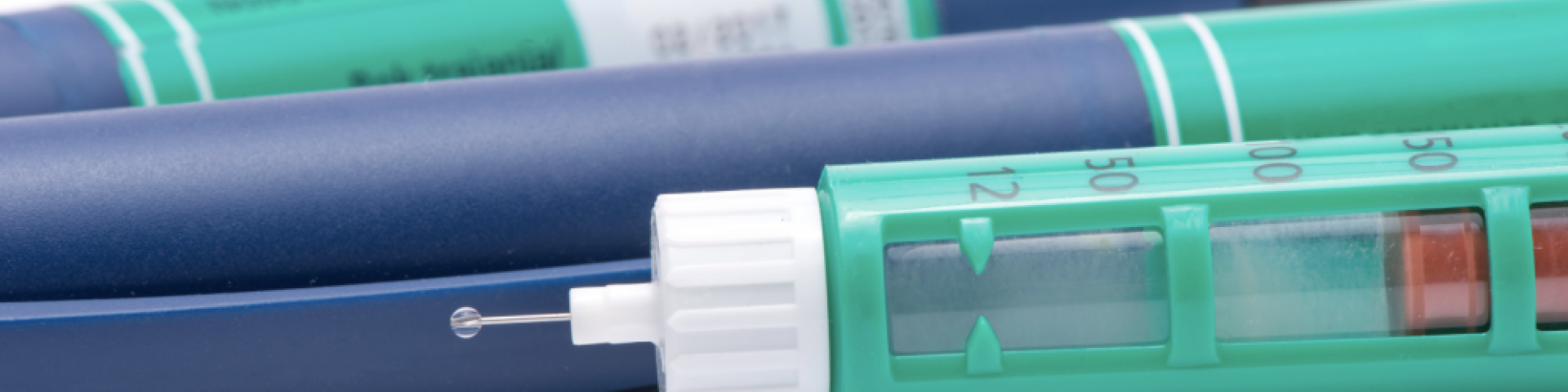
The Department of Health and Social Care (DHSC) has issued an updated Medicines Supply Notification (MSN) regarding the discontinuation of Levemir products, following the original notification published in August 2025.
With remaining stock expected to be exhausted by December 2026, practices are being urged to take early action to avoid patient safety risks and last-minute operational pressures.
Under the updated MSN guidance, clinicians should:
- Stop initiating any new patients on Levemir products
- Identify all existing patients currently prescribed Levemir
- Begin switching patients to suitable alternative insulin therapies in line with national ABCD/PCDO guidance
- Work with local medicines optimisation teams to monitor availability of alternative insulin products and avoid further supply disruption
For general practice, this is not simply a medicines supply issue — it is a patient safety and governance issue that requires proactive management.
Patient Safety Must Be the Priority
While December 2026 may appear some way off, a significant number of patients remain on Levemir products. Delaying action risks creating unsafe situations where patients are unable to access their insulin if stock becomes unavailable before switches are completed.
This presents practices with an opportunity to proactively manage a defined body of work, ensuring patients are safely transitioned in a controlled and clinically appropriate way — rather than responding reactively during a supply crisis.
Early planning will help practices avoid:
- Urgent medication reviews at short notice
- Increased patient anxiety and complaints
- Pressure on already stretched clinical teams
- Potential gaps in treatment continuity
- Increased risk of harm from delayed insulin changes
Taking action now allows practices to demonstrate that they are proactively delivering safe care and protecting patients from avoidable disruption to essential treatment.
A Strong Role for Clinical Pharmacists
This is an area where practice and Primary Care Network (PCN) clinical pharmacists are particularly well placed to support delivery.
Patient identification, medication reviews, switching protocols, patient communication and liaison with community pharmacy teams all align closely with the expertise of clinical pharmacists working in primary care.
By starting this work early, practices can create a structured and manageable programme of switching activity, while reducing the risk of patients being left without access to insulin later in the supply disruption timeline.
How This Relates to CQC Regulation
The discontinuation of Levemir also links directly to several core CQC regulations and inspection themes relating to safe care, medicines management and governance.
Regulation 12: Safe Care and Treatment
Under Regulation 12, practices are required to provide care and treatment in a safe way, including the safe management of medicines.
Practices should be able to demonstrate that they are:
- Aware of national medicines supply issues
- Assessing risks to patients arising from medicine discontinuation
- Taking timely action to prevent interruptions to essential treatment
- Following recognised clinical guidance when switching therapies
- Monitoring patients appropriately during transitions to alternative insulin products
Failure to plan ahead could place patients at risk of delayed treatment changes or temporary loss of access to insulin.
Regulation 17: Good Governance
CQC also expects providers to have effective systems and processes in place to assess, monitor and mitigate risks relating to patient care.
For practices, this may include:
- Maintaining oversight of affected patient cohorts
- Having a structured switching programme
- Documenting clinical decision-making
- Using prescribing data and searches proactively
- Deploying the appropriate workforce, including clinical pharmacists, to manage the work safely
A planned and proactive response may provide evidence of effective governance, medicines optimisation and patient safety processes during inspection.
Suggested Next Steps for Practices
Practices may wish to begin by:
- Running searches to identify all patients currently prescribed Levemir
- Reviewing local formulary and specialist guidance on suitable alternatives
- Assessing workforce capacity for medication review and switching activity
- Engaging PCN clinical pharmacists to support implementation
- Monitoring local insulin supply updates through ICB medicines optimisation teams
Although stock exhaustion is not expected until December 2026, the safest approach is to begin planning and switching activity now.
Early action will help ensure patients continue to receive safe, uninterrupted diabetes care throughout the transition away from Levemir products, while demonstrating proactive clinical governance and regulatory compliance.