
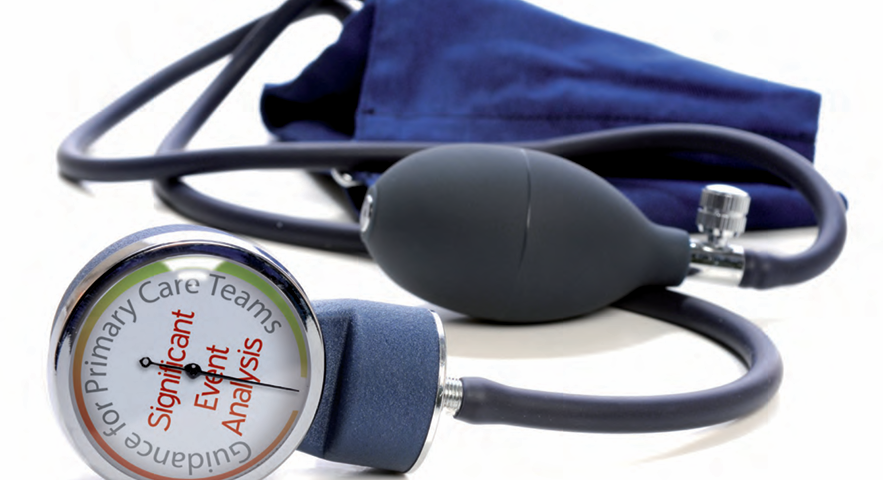
Why This Matters:
Patient safety is at the heart of General Practice. Learning from errors, near-misses, and unexpected outcomes is essential to continually improve care. However, terms like Significant Event, Serious Incident, and Learning Event can be confusing. This guide clarifies their differences and explains how they help shape safer, more accountable healthcare.
🔍 What is a Significant Event?
A Significant Event is any unexpected occurrence that:
- Harmed a patient,
- Should have been prevented.
- Could have harmed a patient, or
Examples include:
- Equipment failures
- Referrals going astray
- Confidentiality breaches
- Delayed visits leading to harm
- Prescription errors
- Admin or communication lapses
These events require careful review, even if no harm actually occurred.
🧠 What’s the Difference Between SEA, Serious Incidents & Learning Events?
- Significant Event (SEA): Any unintended event with actual or potential harm.
- Serious Incident (SI): A more severe SEA with high levels of harm or system failure, often reported externally.
- Learning Event Analysis (LEA): For near misses or outcomes that offer valuable learning, even without harm.
📋 What Do GPs and Practice Teams Need to Do?
- Recognise and Report:
All staff should feel confident in identifying and reporting events. - Investigate and Reflect:
Practices hold regular meetings to review what happened, why, and what can change. - Learn and Improve:
Outcomes of these discussions must lead to real improvements—and be shared with the whole team. - Document and Monitor:
Changes must be tracked and reviewed for impact.
✅ CQC Requirements
The Care Quality Commission (CQC) expects practices to:
- Demonstrate learning from events.
- Show improvements based on SEAs.
- Include the full team in reflective processes.
Serious events—like patient deaths occurring during or soon after care—must be formally reported to the CQC. Find guidance here:
🔗 GP mythbuster 3: Significant event analysis (SEA) – Care Quality Commission
🏥 Support from the NHS and ICBs
Integrated Care Boards (ICBs) and NHS England offer further guidance and tools:
- Incident forms
- Ulysses or Datix reporting systems
- Risk management support
The Learn From Patient Safety Events (LFPSE) system is the national platform for logging and analysing events:
🎓 GP Appraisals and Revalidation
For GPs involved in a Significant Event:
- These must be declared and reflected upon during appraisal.
- This aligns with the GMC duty of candour—to be open, honest, and promote learning.
For GPs not directly involved:
- You can reflect on team SEAs or attend peer meetings.
- Locum and sessional GPs are encouraged to engage through peer forums or shared learning groups.
⚠️ Remember: Never include patient-identifiable details in SEA discussions or documentation.
Why This Matters
Significant Event Analysis isn’t about blame—it’s about learning, improving systems, and keeping patients safe. By embedding this culture of reflection and action, practices meet their responsibilities to regulators, to each other, and most importantly, to their patients.
This overview is informed by guidance developed by Wessex Local Medical Committees (LMC), who continue to support best practice and patient safety across primary care.